
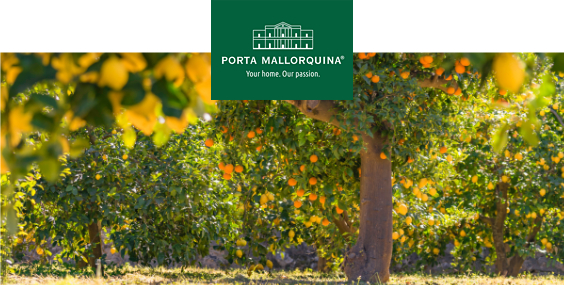
Fragrant orange groves, warm sunshine and the taste of the south: in Mallorca, the orange is far more than just a piece of fruit on the breakfast table; it is an integral part of the landscape. It symbolises the Mediterranean way of life, the connection between nature and enjoyment, and an island where life flows at a slightly slower and more mindful pace.
Anyone who knows Mallorca not just from holidays, but is thinking of making a home here, will quickly discover that it is precisely these little details that give the island its special charm.
 Where Mallorca’s oranges are at home
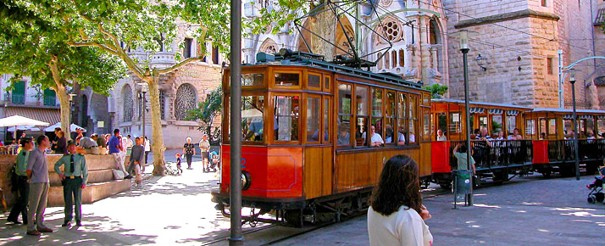
Oranges grow in Mallorca mainly in the sheltered valleys and fertile plains of the island. The valley of Sóller in north-western Mallorca is particularly well known. The imposing mountain backdrop of the Serra de Tramuntana, the mild microclimate and the numerous citrus trees make the region one of the most characteristic places on the island.
More than just a fruit
Oranges have a long agricultural tradition in Mallorca. As well as oranges, lemons, mandarins and other citrus fruits are also grown. Many smaller fincas continue to uphold this tradition to this day.
The fruit is used to make, amongst other things, freshly squeezed orange juice, jams, desserts and traditional products. Depending on the season, local markets offer a wide selection, often sourced directly from regional producers.
And, of course, a glass of freshly squeezed orange juice is an essential part of a relaxing breakfast on the terrace.
The Mediterranean way of life
Perhaps that is precisely what makes Mallorcan oranges so fascinating: they symbolise a way of life that is closely connected to nature.
Drinking your first coffee of the morning in the shade of an orange tree. Walking through your own garden and picking ripe fruit. Strolling through a market at the weekend and discovering local produce. Spending the afternoon with friends over a long lunch.
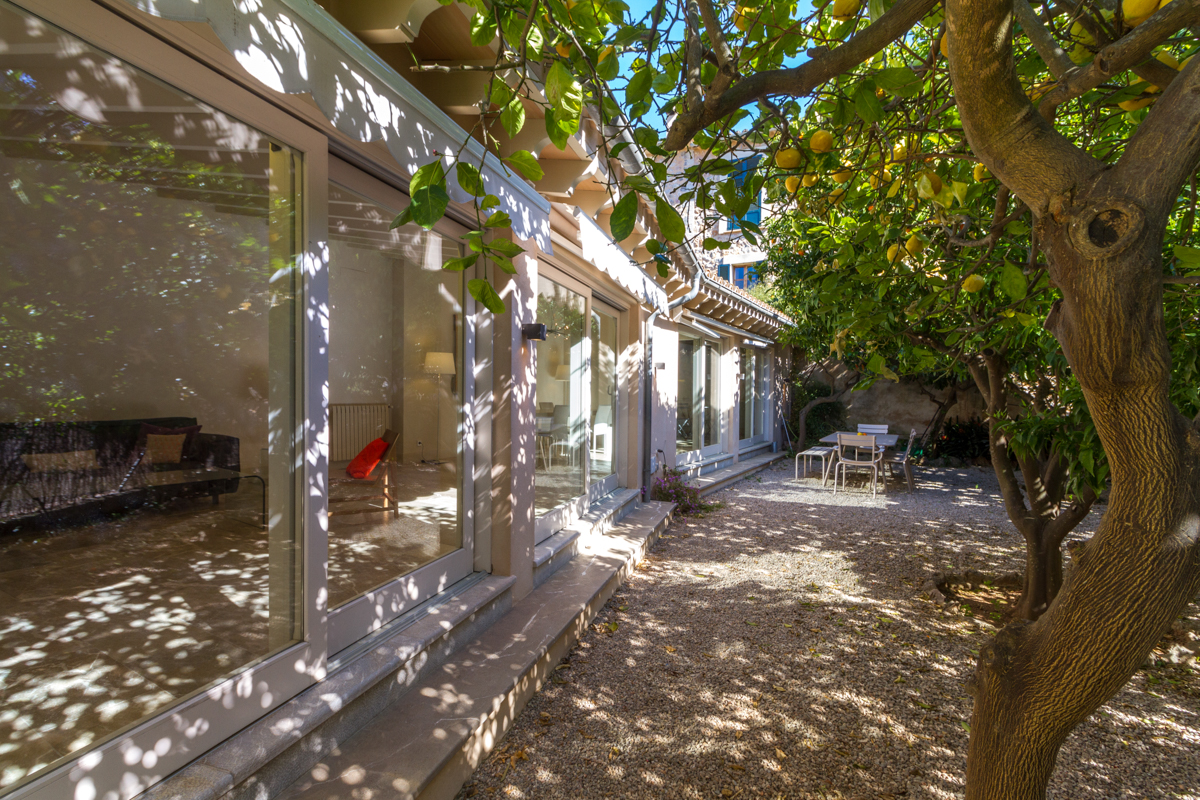
In Mallorca, moments like these are not just holiday experiences. For many people who choose to buy a property on the island, they are part of their way of life.
A finca amongst orange trees?
Anyone dreaming of a home of their own in Mallorca will find properties – particularly in the rural interior of the island and in the traditional villages – where nature and living are intertwined. A Mediterranean finca with a garden, old fruit trees and views of the surrounding countryside can be a very special home indeed.
Of course, it doesn’t have to be your own orange grove straight away. Even a garden with just a few citrus trees can lend your home a distinctive Mediterranean ambience.
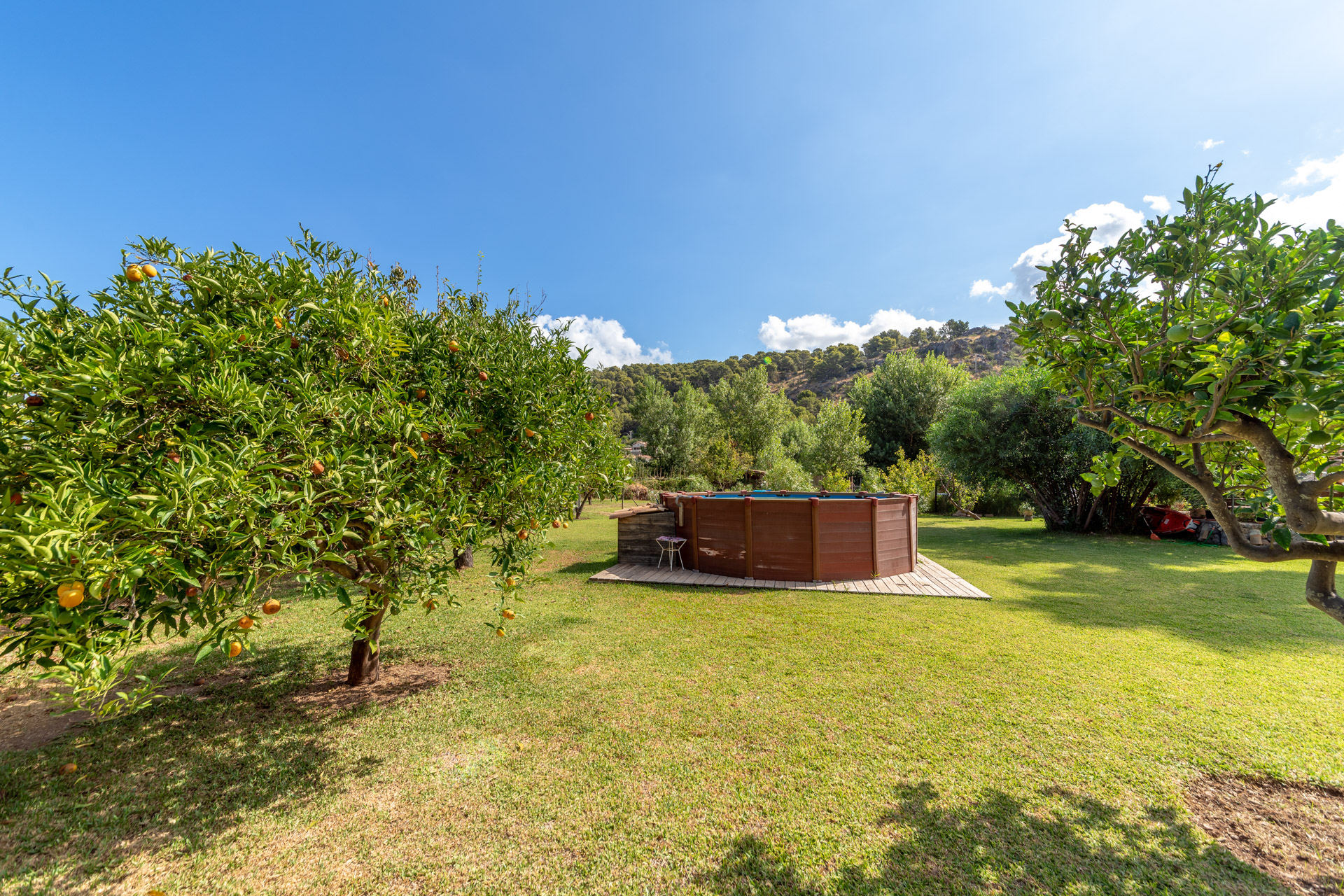
It’s worth taking a close look at the specific location, the condition of the plot, the water supply and the options for maintaining the garden. After all, it is precisely the combination of authentic character and contemporary living comfort that makes so many Mallorcan properties so appealing.
Mallorca has a taste of the south
There are many ways to discover Mallorca: through its beaches, mountains, villages, cuisine or its vibrant cultural scene. Oranges are one of those little things that tie all these experiences together.
They serve as a reminder that Mallorca is not just a holiday destination, but a place with its own landscape, history and way of life.
Perhaps it is precisely this feeling that sparks the desire to call the island home: watching the sun rise over the mountains in the morning, taking in the Mediterranean scents in the garden and picking an orange straight from the tree in the afternoon.
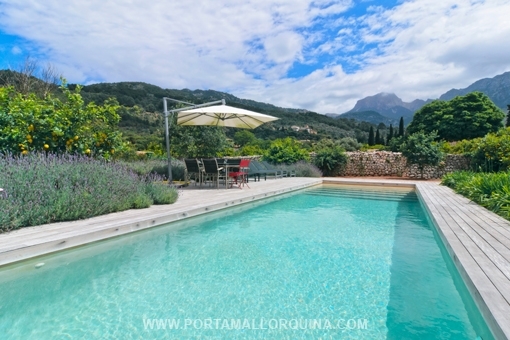
A little piece of Mallorca, right on your doorstep
Your home in Mallorca
Would you like to do more than just visit Mallorca – would you like to make it your home? Whether it’s a finca in the island’s interior, a charming village house or a modern villa by the sea, we’ll guide you in your search for a property that matches your vision of life on Mallorca.
Because sometimes the dream of a home of your own begins with a very simple idea: sunshine, a garden and the scent of oranges.